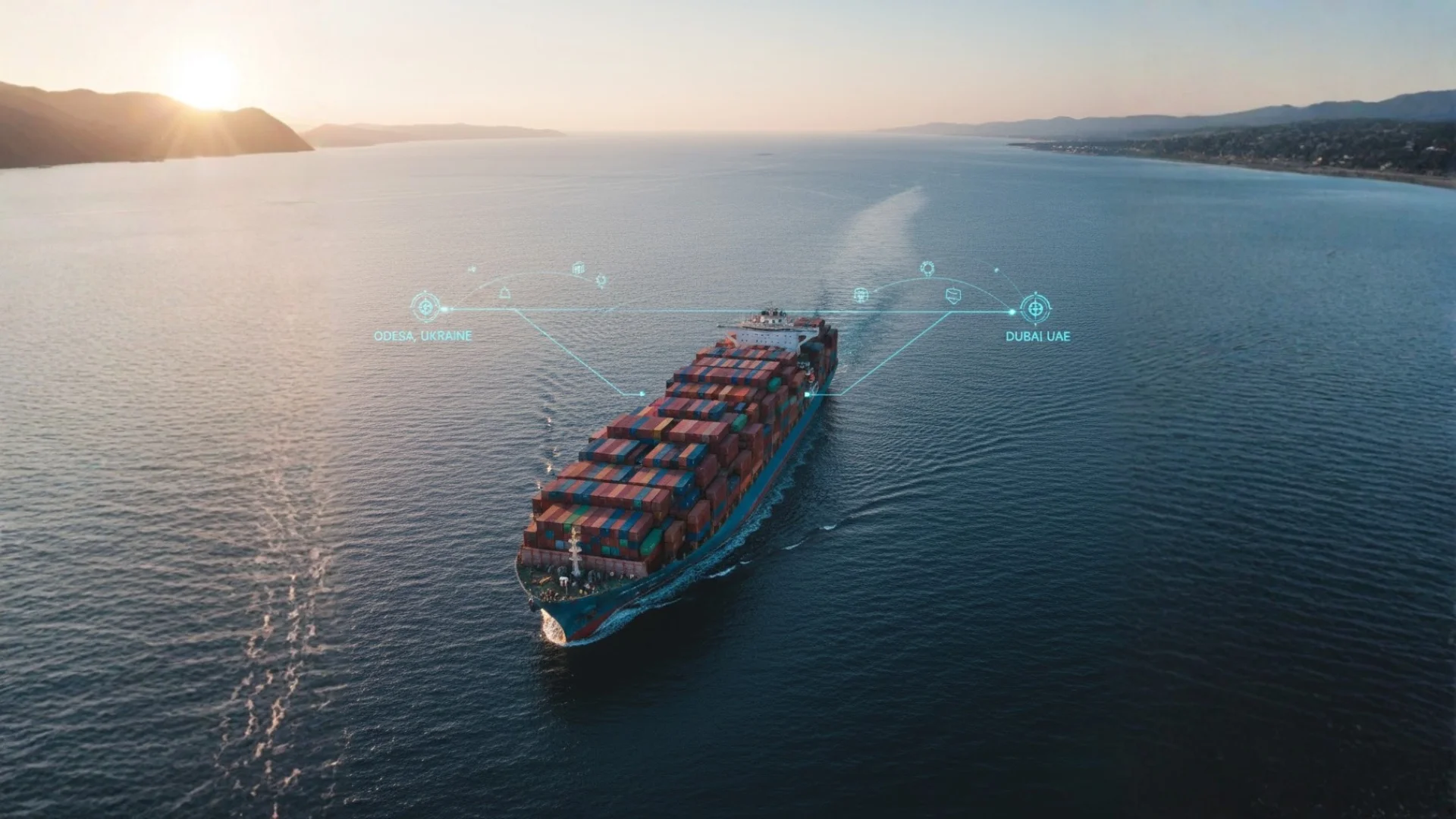
In 2026, the challenge for edible oil importers isn't just finding the product; it's getting it delivered. Geopolitical tensions in the Red Sea and persistent drought issues at major canal chokepoints have created a perfect storm of logistical chaos.
For buyers of bulk Sunflower and Palm oil, this means two things: longer transit times and excessively high freight volatility. If your supply chain isn't secured now, you risk stockouts in Q2. Here is how smart procurement managers are mitigating these risks.
1. The 2026 Logistics Landscape
Vessels diverting around the Cape of Good Hope to avoid Red Sea risks are adding 10–14 days to transit times for shipments destined for Europe and North Africa. This burns significantly more fuel, the cost of which is passed directly to the buyer.
This added cost is a major factor driving the bullish trends we analyzed in our recent Sunflower Oil Price Forecast for 2026. The commodity price is only half the story; freight is now the defining variable.
2. Strategy 1: Rethinking Your Incoterms
In stable times, buying FOB (Free On Board) and arranging your own shipping might save a few dollars. In times of crisis, it is a massive liability. If you buy FOB now, *you* are responsible for finding a vessel willing to take the risk, and *you* pay the skyrocketing insurance premiums.
The Fix: Shift to CIF. By buying CIF (Cost, Insurance, and Freight), you shift the logistical burden and risk to the seller. Established exporters like Wellfed Group have long-term contracts with shipping lines that guarantee vessel space even when the spot market is chaotic.
3. Strategy 2: Verified Logistics Partners
Chaos breeds opportunity for scammers. We are seeing an uptick in fake freight forwarders offering "too good to be true" shipping rates, only to disappear with deposits or hold cargo hostage.
Ensure your supplier doesn't just have the oil, but also verified, proven logistical capability. Do not accept PDF shipping schedules as proof; demand verifiable past performance. We outlined the essential checks in our article on avoiding Bulk Oil Scams & Supplier Verification.
4. Strategy 3: Forward Planning & Pricing
Spot buying in this environment is incredibly risky. By the time you negotiate a price, freight rates may have jumped another 5%. The most secure strategy for 2026 is to book partially forward contracts with a reliable CIF supplier to lock in both supply and shipping costs before Q2 peak demand hits.
Conclusion: Secure Your Route Now
Waiting for freight rates to normalize is not a viable strategy for 2026. The goal now is security of supply. By shifting to CIF terms with a verified exporter, you insulate your business from the worst of the logistical chaos.